


1.5 material focus
- May 4, 2021
- 1 min read
After briefly experimenting with dried fruit skins, I realised how much I enjoy the tact and feel of the material. As the materials I produced were much like leather I decided to research some other alternatives to leather...
a quick google search...

A lot of the articles and sites featured in the most popular searches all revolve around "animal leather alternatives" and "cruelty-free". This is great, but I love steak. However in terms of sustainability I think alternatives are very exciting.
Here are a few good sites and what materials they feature for alternative leather...
Piñatex by Ananas Anam - pineapple
Tômtex by Uyen Tran - "waste coffee grounds and the biopolymer chitin, which is found in the exoskeleton of crustaceans and in this case is sourced from discarded seafood shells."
Palm leather by Tjeerd Veenhoven - areca palm (same process as pinatex)
Bio-leather by Shahar Livne - discarded animal fat bones and blood
Mylo by Bolt Threads - mushroom
Lino Leather by Don Kwaning - linoeum
Wine Leather - aka Vegea
Coconut Leather - by Malai etc
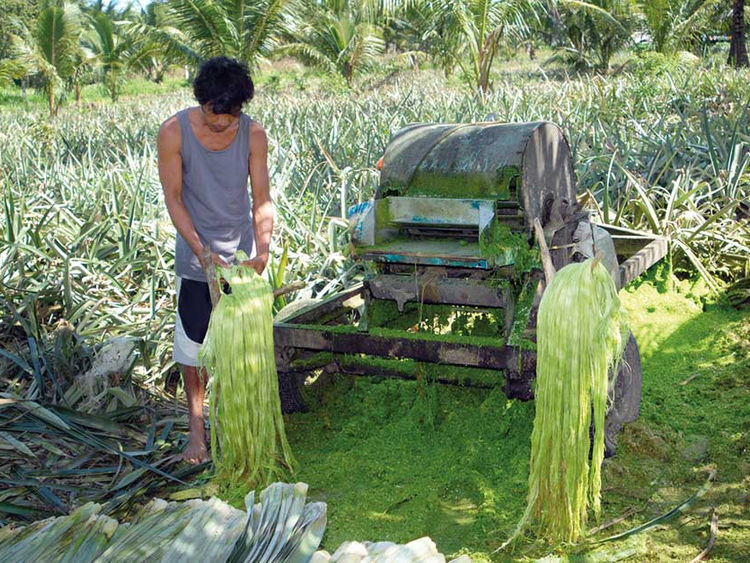
Pineapple Leather - aka Piñatex
Mushroom Leather - by MyCoWorks etc
Apple Leather - by The Apple Girl etc
cork
mushroom
kombuca
lab-grown
pineapple
wine
pineapple leather process
interpreting leather
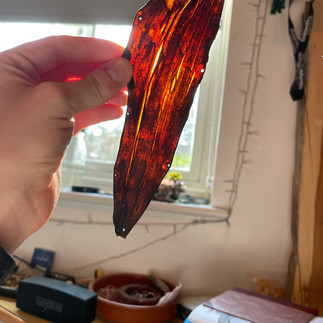
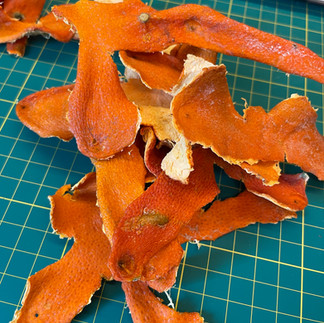
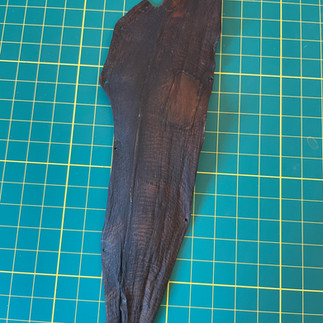
When imagining leather made from fruits and other natural materials, my mind instantly thinks of using the skin, like the authentic traditional way of skinning an animal for their leather and hide. This "authentic" version can be seen with my first orange and banana peel experiments.



...


Comments