


Project 1.1: V&A - space and light
- Oct 19, 2020
- 2 min read
Updated: Oct 21, 2020
Whilst looking at the ceramic tiles exhibition 'space' (the staircase), I observed how every aspect of the space represented 'tiles' in one way or another.

Wikipedia's definition of tile:
The concept of 'tiles' resonates with me in a much more complex way however.
Whilst in the V&A, I made notes (see Project 1.1: the brief Ft. initial notes) on my current practice (or attempt) of compartmentalisation. Categorising and separating different aspects of life mentally, can be a very beneficial way of coping with the modern world - especially in these unprecedented times with the tough reality of the current pandemic.
light catching tiles


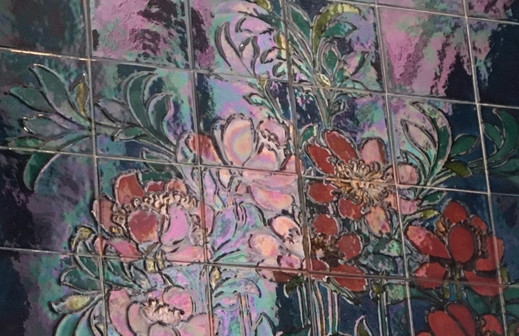




The interior of the V & A - surrounding the tiles panels.
- glass windows
- granite tiled floors
- columns
- architecture
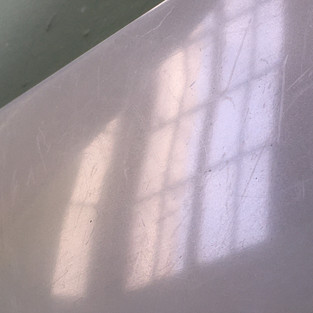
Looking at light, exposure and starting to explore how we fit into that space.


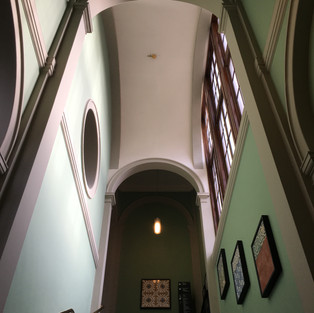


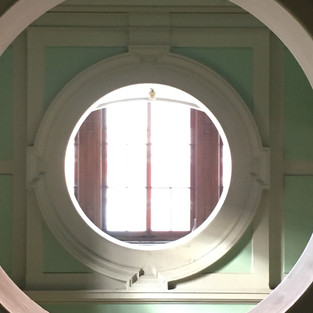



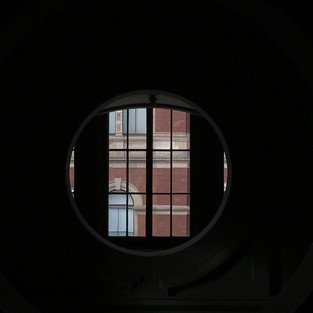


More experiments with fitting into the space, visually representing the concept of compartmentalisation and organisation; comporganisation (self-made port manteau).


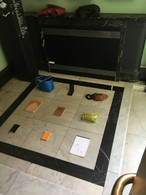




The notion of fitting in and taking up 'space' in a public museum (such like the Victoria & Albert Museum), especially in a random stairwell with the only destined location being the members cafe - presents some interesting theory.
By spreading out my possessions and freely using the staircase to sit and draw, as well as experiment with some performative work, the present purpose of the staircase (a passage to the private members area) became ambiguous.
Museum-goers shared looks, but decided to ignore us - the confidence exuded by taking up this space, meant people adapted to this new social environment and accepted a space-respecting adjustment to their paths.
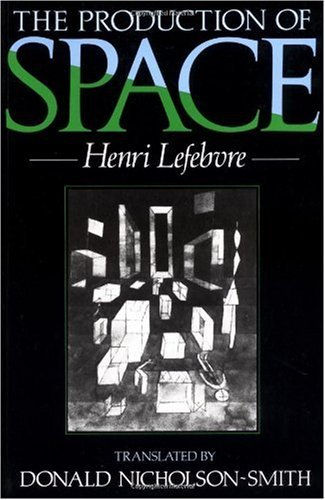
“Nothing disappears completely ... In space, what came earlier continues to underpin what follows ... Pre-existing space underpins not only durable spatial arrangements, but also representational spaces and their attendant imagery and mythic narratives.”
― Henri Lefebvre, The Production of Space
Henri Lefebvre was a French Marxist philosopher and sociologist, best known for pioneering the critique of everyday life, for introducing the concepts of the right to the city and the production of social space, and for his work on dialectics, alienation, and criticism of Stalinism, existentialism, and structuralism. - Wikipedia


The work of Lefebvre ties in with my fascination of being a flâneur (French noun referring to an idler, gentleman-about-town, urban explorer).


Comments